Water
Customer, meter and meter-reading records, including estimates and adjustments.

K-UTILITĂȚI
Water. Sewerage. Waste collection. Public lighting. Stormwater.
K-Utilități automates recurring billing cycles and keeps customers, usage, invoices, payments and balances in one system.
Staff only step in when intervention is actually needed.
Request a demo
ONE SYSTEM
The same household may receive several public services. There is no need to maintain separate databases and separate workflows for each one.
PUBLIC UTILITIES
Each public utility has its own calculation and billing rules. K-Utilități supports multiple billing models on the same platform, configured separately by service, customer category and contract.
Customer, meter and meter-reading records, including estimates and adjustments.
Charges calculated from water consumption and configured rules, in line with applicable legislation and local decisions.
Recurring billing based on household size and the applicable tariff.
Billing by resident, household or another locally defined charging model.
Charges calculated from rainfall, surface area and runoff coefficients under the applicable rules. Contract-specific conditions can also be applied to business customers.
WATER
Invoices already issued are not rewritten. Any difference is carried forward and adjusted in a later billing cycle.

BILLING MODELS
METERED CONSUMPTION
Billing starts from meter readings and can include self-readings, estimates and later adjustments.
FLAT-RATE BILLING
For customers or service points without a meter, predefined quantities or consumption norms can be applied.

Depending on the service, K-Utilități can apply fixed charges, per-person or per-household tariffs, area-based calculations, coefficients, percentage shares or consumption tiers.

SEWERAGE
The billable quantity can be derived from water consumption and the rules configured for the customer, in line with applicable legislation and local decisions.
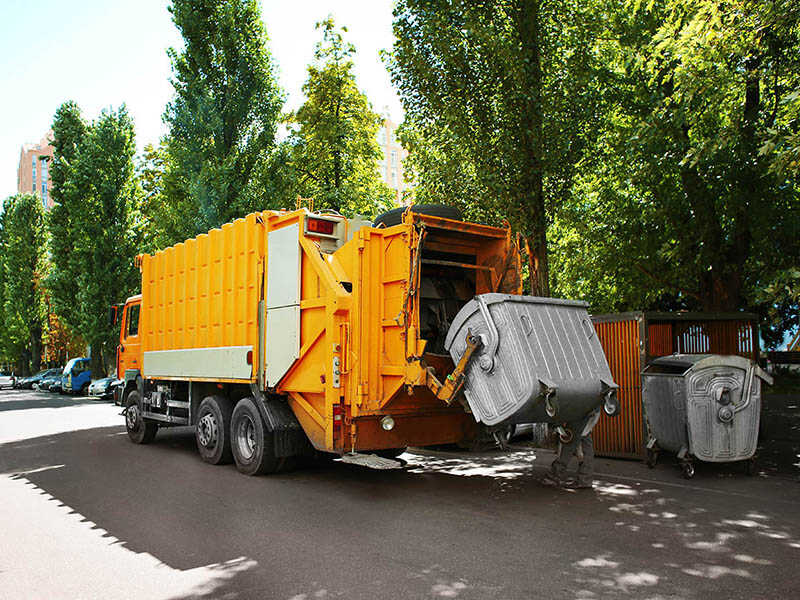
WASTE COLLECTION
The service can be billed according to household size and the applicable tariff, while keeping customer history, payments and balances in the same account.
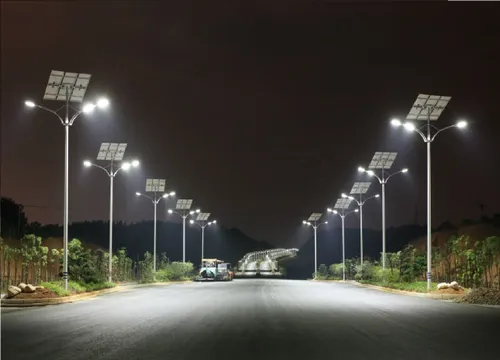
PUBLIC LIGHTING
The service can be billed by resident, household or another configured rule and included in the same billing and collections workflow as the other local utilities.
STORMWATER
Charges can be calculated from rainfall, surface area and runoff coefficients under the applicable rules. Contract-specific conditions can also be applied to business customers.

LOCAL ORGANISATION
Beyond the postal address, customers can be organised by locality or village, street, area and route.
Areas can also use familiar local names — “Town Centre”, “By the Mill”, “Old Quarter”.
This classification can be used for meter-reading rounds, field lists, collections, arrears lists and reporting.
COLLECTIONS
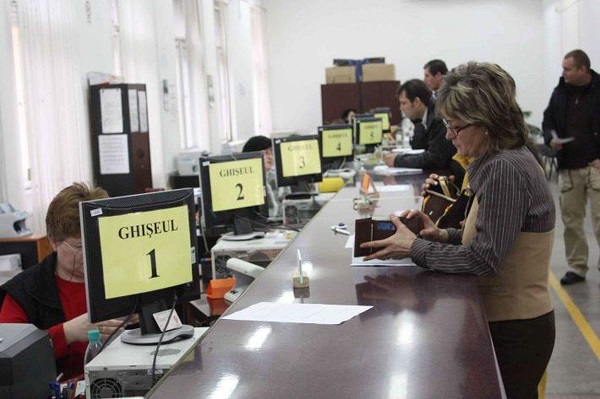
Authorised users can identify the customer and outstanding documents, then record a payment at the cashier desk, at service points or in the field. Cash and card payments can be supported through compatible POS or SoftPOS integrations.
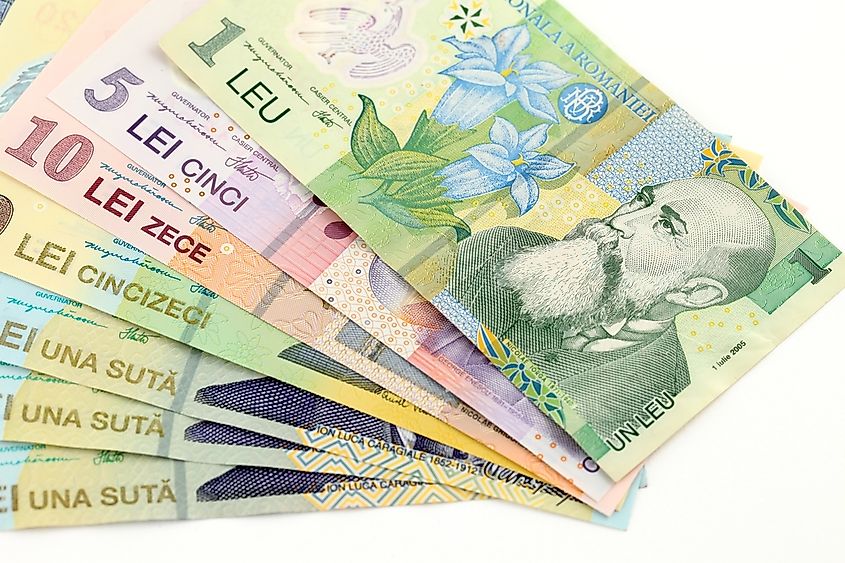
Record the payment and issue a receipt directly from the application.
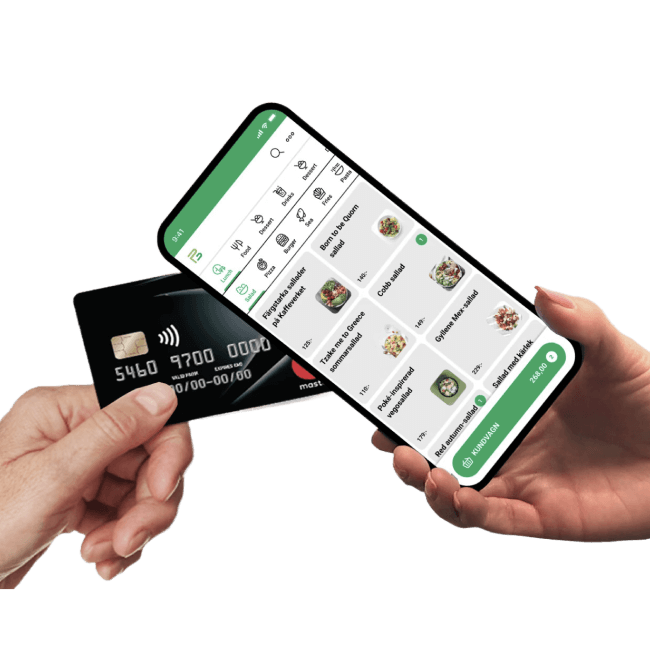
Card payments can be integrated through compatible terminals or SoftPOS solutions.
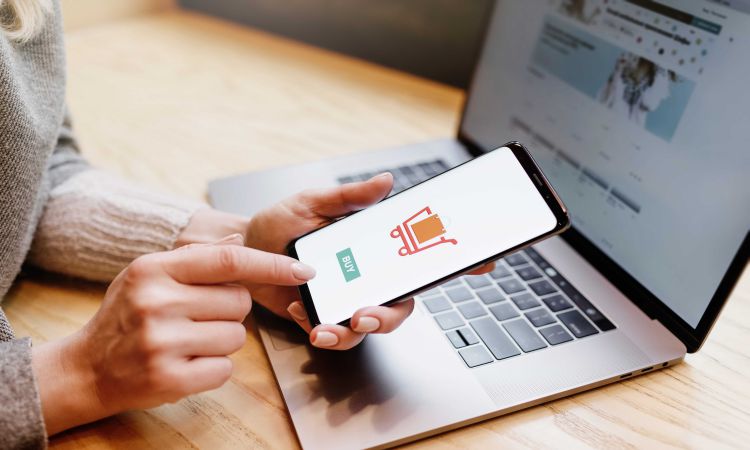
Customers can pay online through the Customer Portal or a payment link.
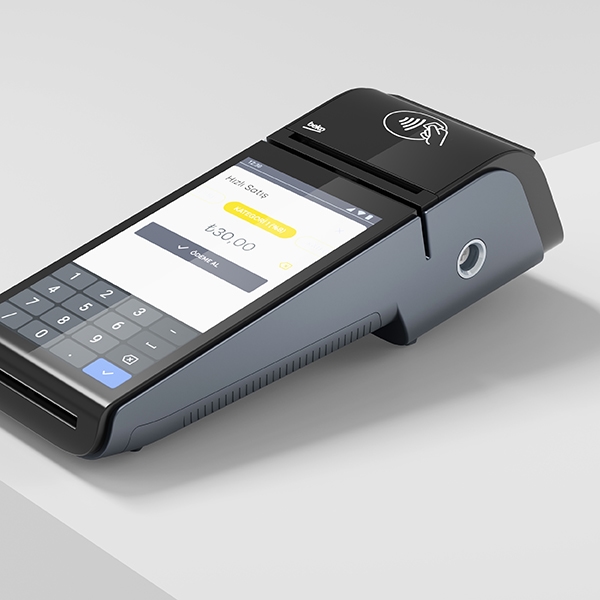
Designated staff can record payments away from the cashier desk, subject to the permissions and procedures configured by the organisation.
POS terminals, SoftPOS solutions, printers and other hardware are purchased separately by the customer organisation. Kulore provides software integration for compatible equipment and services.
CUSTOMER PORTAL
In developmentCustomers can check their own account without repeatedly contacting staff by phone or visiting the office.
REPORTS AND KPIs
BILINGUAL DOCUMENTS
The customer-facing invoice or payment document can be issued in Romanian and Hungarian, Romanian and German, or Romanian and English. Services, consumption, quantities, tariffs, amounts, balances, due dates and payment instructions can therefore be presented clearly in the languages used by the local community.
This applies to the human-readable PDF shown to customers and does not alter the technical XML structure required by RO e-Factura.
RO E-FACTURA AND DATA CONTROL
The platform generates PDF and UBL XML documents compatible with RO e-Factura and is prepared for direct integration with ANAF/SPV. K-Utilități can be deployed on infrastructure controlled by the customer organisation.
ACCOUNTING EXPORT
Billing and collection data can be exported in the format required by the organisation’s accounting software, either through files or through an API where supported.
CONTACT K-UTILITĂȚI
Tell us which services you bill, how many customer accounts you manage and how your current process works. We can tailor the demo to a scenario close to your real operating model.
Do not submit real personal data, confidential documents or other sensitive information through this form.